Planning a garage door installation involves understanding the full process from start to finish, including the materials available, the installation steps, and the long-term expectations homeowners should have. Many San Diego residents start their research by exploring the services and resources offered through professional installation companies. To learn more about installation services and preparation, the page on garage door installation San Diego offers helpful insights into the solutions available to homeowners who want a reliable and well-installed system.
As homeowners gather more information about installation, they often investigate company experience, service details, and the long-term performance benefits of proper installation. Learning about overall services available in the area can be helpful, and a good starting point is the main website for All-Access Garage Doors . Exploring service details helps homeowners understand how professional installation supports both safety and durability while ensuring the final setup matches the needs of the home.
A well-installed garage door affects appearance, security, insulation, and overall convenience. Many factors shape the final experience, including choice of materials, garage layout, environmental conditions, and installation quality. This guide explains everything homeowners should know before scheduling an installation, including the process, key decisions, benefits of hiring trained professionals, and how to prepare the space in advance.
Understanding the Full Garage Door Installation Process
A successful garage door installation is a step-by-step process requiring accurate measurements, proper planning, and professional execution. Every phase influences the quality and lifespan of the door, making it important for homeowners to understand what happens from the moment technicians arrive.
1. Initial Evaluation and Precise Measurements
The installation process begins with a full evaluation of the garage. Technicians take exact measurements of the width, height, headroom, backroom, and side room. These measurements help determine the proper track system and ensure the door fits securely in place. This step also identifies any structural issues that could affect installation, such as uneven flooring or low ceiling space.
A detailed evaluation prevents alignment problems, gaps, or operational issues later. When measurements are accurate, the door can move smoothly along its tracks, ensuring safe and consistent operation.
2. Reviewing Material Choices and Door Options
After measurements are complete, homeowners review possible door materials. The choice of material affects durability, appearance, and maintenance needs. Technicians can help explain how each material performs over time and which options match the home’s design and climate.
Material selection is one of the most important decisions in the process. Homeowners must consider insulation preferences, surface finish, design style, and long-term upkeep. These considerations ensure the final installation meets both functional and aesthetic expectations.
3. Removing the Existing Door
If a previous garage door is installed, technicians remove it with care to protect the surrounding structure. Removal includes taking down panels, disconnecting springs, and clearing tracks and hardware. Each component must be handled safely due to tension in springs and cables.
Removing the old system allows technicians to evaluate the condition of mounting points and determine whether adjustments are needed before installing the new door.
4. Installing Tracks, Hardware, and Reinforcement Components
Once removal is complete, technicians begin installing the new tracks. Tracks must be level, straight, and properly secured to ensure the door glides along its path. Hinges, rollers, brackets, and reinforcement supports are also installed during this stage.
Every piece of hardware must align correctly. Even small misalignments can cause noise, resistance, or wear on the door’s components. This step is essential for creating a smooth, reliable operating system.
5. Setting Up the Spring System
Springs are responsible for counterbalancing the weight of the door. A proper spring setup ensures the door can be lifted safely without excessive strain on the opener. Professionals carefully match the springs to the door’s weight and tension requirements.
Spring installation requires precision. Springs hold significant tension, and correct calibration is important to prevent uneven lifting, loud movements, or operational failure. Professional handling of springs is essential for long-term safety.
6. Installing the Door Panels
Panels are installed one section at a time. Technicians secure each panel to prevent shifting and ensure proper alignment before attaching the next. Careful alignment helps the door move smoothly without binding or catching during operation.
This stage influences the final appearance of the door and ensures the door seals properly along the opening.
7. Adding the Opener System
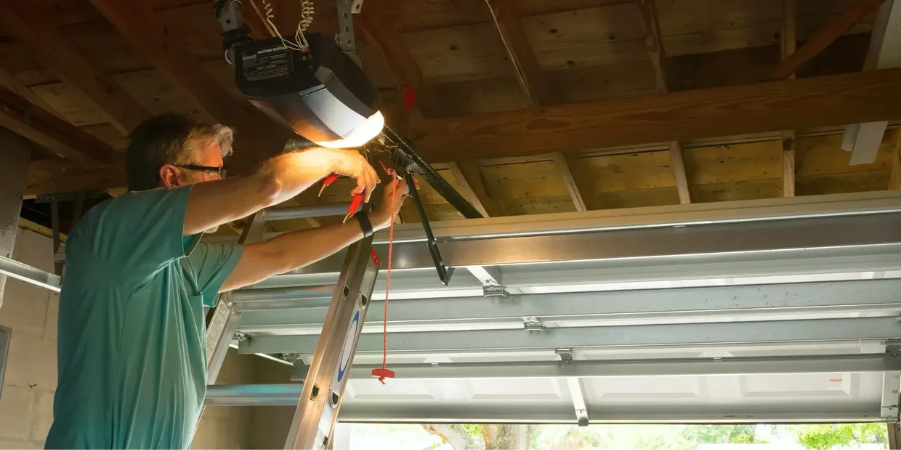
If the installation includes a new opener, technicians mount the opener, align the sensors, and connect the door to the drive system. Proper sensor alignment is important because sensors prevent the door from closing when obstacles are present.
A well-installed opener enhances convenience and reliability, ensuring consistent operation with minimal noise and balanced movement.
8. Final Testing and Safety Verification
The last step in the installation process includes thorough testing. Technicians check door balance, ensure smooth movement, verify safety sensors, and test all hardware connections.
Final testing ensures that homeowners receive a fully functional and safe system that meets operational standards and supports long-term performance.
Material Choices: Factors That Shape Long-Term Performance
Material choice has one of the greatest impacts on the door’s appearance, performance, and maintenance needs. San Diego homeowners should consider climate, design style, and durability when selecting a new door.
Steel Garage Doors
Steel doors offer durability and low maintenance. They resist warping and provide a clean, solid appearance. Steel is one of the most widely chosen materials because it performs well in varying climates and offers long-term reliability.
Wood Garage Doors
Wood provides a classic appearance and adds character to the home. Homeowners who prefer natural textures often choose wood for its unique style. Wood needs care over time, but its richness can enhance curb appeal.
Composite or Faux Wood Doors
Composite materials provide the visual appeal of wood without the maintenance requirements. These doors resist moisture and offer consistent performance in coastal environments.
Aluminum and Glass Doors
Aluminum and glass options offer a sleek, modern appearance. These doors are lightweight and ideal for contemporary designs. Their clean aesthetic works well in homes seeking modern architectural styles.
Insulated Options
Insulated doors are beneficial for homeowners who use the garage as a workspace or want better temperature control. Insulation reduces noise, creates more comfort inside the garage, and adds to overall energy control.
Why Professional Installers Matter
Hiring trained technicians ensures that every part of the installation is handled correctly. Garage doors require precision, and professional installers follow detailed processes that contribute to safety and long-term performance.
Professional Knowledge Supports Proper Installation
Professionals understand the mechanical requirements of garage door systems. Their knowledge ensures panels, tracks, springs, and openers function smoothly.
Safety Is a Primary Priority
Garage doors involve high-tension springs, heavy components, and moving parts. Professional installers understand how to manage these elements safely.
Warranty Protection and Long-Term Reliability
Professional installation supports warranty protection by ensuring components are set up correctly. This helps homeowners maintain long-term reliability and consistent operation.
Avoiding Errors from DIY Attempts
Improper installation can cause alignment issues, early wear, or operational problems. Professional installers help avoid mistakes that may affect the door’s performance.
Important Factors Homeowners Should Consider Before Installation
Homeowners should evaluate several factors before their installation date.
Home Layout and Space Requirements
Garage design influences door size, opener type, and track system selection. Homes with limited ceiling space may require specific track configurations.
Climate Considerations
San Diego’s coastal environment may influence material selection. Some materials resist moisture better, offering superior performance near coastal conditions.
Maintenance Preferences
Some materials require minimal upkeep while others need periodic attention. Homeowners should select materials based on their maintenance expectations.
Security Needs
Certain door designs offer increased strength and resistance. Homeowners should consider security requirements when selecting materials and designs.
Preparing for Installation Day
A smooth installation experience begins with proper preparation. Homeowners should ensure technicians have easy access to the garage area.
Clearing the Space
Removing stored items and parked vehicles ensures a clear workspace. Technicians need room to maneuver tools, panels, and equipment safely.
Technician Access and Communication
Homeowners should plan for technician access and make sure the work area is ready. Clear communication supports a smooth installation experience.
Post-Installation Expectations
After installation, homeowners should feel comfortable using the new door and understand how to maintain it.
Learning the New System
Technicians explain how to operate the new opener, secure the door, and use safety features. This ensures homeowners understand the full functionality.
Scheduling Annual Inspections
Over time, the door may require adjustments to maintain smooth performance. Homeowners can schedule a garage door inspection to ensure the door continues operating safely.
When to Contact a Professional
If a homeowner notices unusual movement, noise, or inconsistent operation, reaching out for service is the best approach. The contact us page allows homeowners to request help or schedule a service appointment.
Frequently Asked Questions
1. How long does garage door installation typically take?
Most installations can be completed within a single appointment. The exact timeline depends on the door type, materials, and opener configuration.
2. Can homeowners prepare the space beforehand?
Yes. Clearing the garage ensures technicians have room to operate and helps the installation process go smoothly.
3. Are insulated doors worth considering?
Insulated doors help improve comfort inside the garage, reduce outside noise, and support more stable indoor temperatures.
4. Does a new garage door improve security?
A properly installed door offers reliable protection and contributes to overall home safety.
5. When should homeowners schedule follow-up inspections?
Annual inspections are recommended to keep the door functioning smoothly and identify early signs of wear.