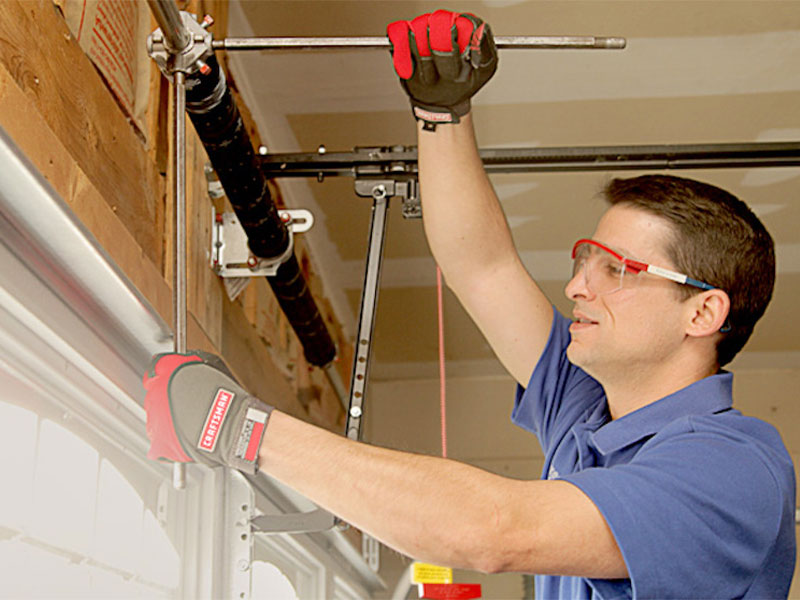
The cost of garage door repair depends on what’s broken, how severe the damage is, and whether you’re dealing with a simple fix or a system-wide failure. Most repairs fall between $150 and $600, but that range shifts based on parts, labour complexity, and whether your door needs one component replaced or several. This Garage door repair costs guide breaks down the real numbers, what affects pricing, and when paying more actually makes sense. No vague ranges—just clear, grounded information.
Average Cost of Garage Door Repair
Most homeowners pay between $200 and $400 for a standard garage door repair. The final price depends on:
- What’s broken – Springs, cables, rollers, panels, or openers all have different price points
- Labor complexity – A stuck roller takes 20 minutes; a full spring replacement takes an hour or more
- Parts quality – Standard hardware costs less than heavy-duty or insulated components
- Emergency timing – After-hours or same-day service typically adds $75–$150
- Door size and weight – Heavier doors require stronger parts and more labor
Single-component repairs like replacing worn rollers or realigning tracks usually cost $150–$250. Multi-part failures—like a broken spring plus damaged cables—can push costs toward $500–$700.
Cost Breakdown (Parts + Labour)
Garage door repair costs can vary widely depending on the type of repair, replacement parts required, and local labor rates. Understanding how parts and labour contribute to the total cost helps homeowners plan their budget more accurately.
Labor Cost
Most garage door companies charge a flat service fee that includes diagnosis and the first hour of work. Expect $75–$125 for the service call, with additional labor billed at $50–$100 per hour if the job runs longer. Emergency or same-day service adds another $75–$150 on top of standard rates.
Parts Cost
Here’s what common garage door components typically cost:
- Torsion springs – $40–$100 per spring (most doors use one or two)
- Extension springs – $15–$30 per spring
- Cables – $15–$30 each
- Rollers – $10–$20 per roller (nylon lasts longer than steel)
- Hinges – $5–$15 each
- Bottom seal – $20–$50
- Garage door panels – $150–$400 per panel, depending on material and insulation
- Opener gears or circuit boards – $50–$200
Parts are usually marked up 20–40% over retail to cover warranty and inventory costs. That’s standard across the industry.
Additional Charges (If Applicable)
Some repairs come with extra fees:
- Old hardware removal – If rusted bolts or damaged brackets need cutting or grinding, expect $50–$100
- Track replacement – Bent or misaligned tracks that can’t be straightened cost $125–$200 per side
- Permit fees – Rare, but some municipalities require permits for structural repairs
- Heavy or oversized doors – Doors over 9 feet wide or made from solid wood may require two technicians
What Affects the Cost the Most
Not all repairs are created equal. Here’s what drives the price up or down:
- Spring type – Torsion springs cost more than extension springs but last twice as long
- Number of broken parts – One failed component is cheaper than a cascade failure
- Door material – Wood doors require more careful handling than steel
- Insulation – Insulated doors are heavier and need stronger hardware
- Age of the system – Older doors may need custom-ordered parts or compatibility workarounds
- Accessibility – Low ceilings or tight garage layouts slow down the work
- Warranty status – If your door or opener is still under warranty, parts may be covered
When Repair Is Worth It vs When Replacement Makes More Sense
Repair makes sense when:
- The door is less than 10 years old
- Only one or two components have failed
- The door operates smoothly aside from the broken part
- The frame, tracks, and panels are in good shape
- Repair costs are under 50% of a new door
Replacement makes more sense when:
- The door is 15+ years old and showing multiple issues
- Panels are dented, warped, or rotting
- The opener is outdated and lacks safety features
- You’re dealing with recurring problems every few months
- Repair costs approach $800–$1,000 (at that point, you’re halfway to a new door)
If you’re unsure, a professional inspection can tell you whether your system has another 5–10 years left or if you’re throwing money at a failing door. Learn more about when to repair vs replace your garage door.
How to Get an Accurate Estimate
To get a realistic quote, the technician needs to see:
- What’s broken – Springs, cables, rollers, panels, or opener components
- Door size and weight – Measured in feet (width x height) and material type
- Current condition – Are tracks bent? Is the frame square? Are there rust or alignment issues?
- Opener age and brand – Some parts are proprietary or discontinued
- Your timeline – Standard service vs same-day or emergency
Most companies offer free estimates. If a company charges for a quote without applying it toward the repair, that’s a red flag when evaluating garage door services. For a breakdown of what different repairs cost, check out our full garage door cost guide.
FAQs
How much does it cost to replace a garage door spring?
Torsion spring replacement typically costs $200–$350 for both parts and labor. Extension springs are cheaper, usually $100–$200 total. Springs should always be replaced in pairs to maintain balance.
Is it cheaper to repair or replace a garage door?
If the door is under 10 years old and only one or two parts have failed, repair is almost always cheaper. If you’re looking at $800+ in repairs on a 15-year-old door, replacement makes more financial sense.
Can I repair my garage door myself to save money?
You can handle simple tasks like lubricating rollers or replacing weatherstripping. Never attempt spring, cable, or track repairs yourself—these components are under extreme tension and cause serious injuries when mishandled.
Does homeowners insurance cover garage door repairs?
It depends on the cause. Insurance typically covers damage from storms, vehicle impacts, or vandalism. It won’t cover wear and tear or neglected maintenance. Learn more about garage door insurance coverage.
How long does a garage door repair take?
Most single-component repairs take 30–90 minutes. Spring replacements usually take about an hour. Multi-part repairs or panel replacements can take 2–3 hours depending on complexity.
Ready for a Clear, No-Nonsense Estimate?
If your garage door isn’t working right, waiting only makes the problem worse, and more expensive. Whether you’re in San Diego County, Los Angeles, or the Bay Area, we’ll diagnose the issue, explain your options, and get your door back to working safely.
Book an appointment today or request a free quote.