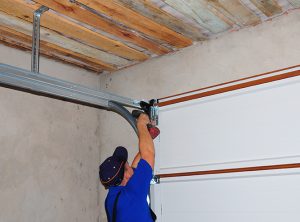
For a Bay Area homeowner, an off-track garage door is more than just an inconvenience; it is a serious safety issue that should never be ignored. When a door slips out of its tracks, it becomes unstable, difficult to operate, and dangerous for anyone nearby. This problem is commonly caused by misaligned tracks, worn rollers, or impact damage all of which can worsen quickly if left unaddressed.
In many Bay Area homes, daily use, aging hardware, and even minor structural movement can cause garage doors to slip off their tracks. Understanding why this happens, and the risks involved is the first step toward protecting your property and avoiding serious injury. This guide explains the root causes, safety concerns, and the professional repair process to help you handle an off-track garage door the right way with the help of All Access Garage Doors.
What Does It Mean When a Garage Door Comes Off Track?
A garage door operates on a track system that guides the door smoothly as it opens and closes. When the door comes off track, it means one or more rollers have slipped out of the metal tracks, causing the door to move unevenly or stop functioning entirely.
How Garage Door Tracks and Rollers Function Together
Garage doors rely on steel tracks mounted along both sides of the door opening. Small rollers attached to the door panels move inside these tracks, allowing the door to glide upward and downward smoothly. When the tracks are properly aligned and the rollers are in good condition, the door remains balanced and stable throughout operation.
If either the tracks or rollers become damaged or misaligned, the rollers can slip out, causing the door to tilt, jam, or collapse.
Early Warning Signs of an Off-Track Garage Door
Homeowners often notice subtle signs before the door fully comes off track, including:
- Grinding or scraping noises during operation
- The door moving unevenly or appearing crooked
- Sudden jerking motions while opening or closing
- Visible gaps between rollers and tracks
- Resistance or hesitation when using the opener
Ignoring these warning signs can lead to complete track failure.
Partial vs Fully Off-Track Garage Doors
usually stuck, leaning dangerously, or completely detached from the track system. Both situations pose safety risks and should be addressed promptly with a garage door inspection.
Common Causes of an Off-Track Garage Door
Garage doors do not come off track without reason. Identifying the root cause helps prevent repeat issues and ensures the right repair approach.
Misaligned Garage Door Tracks from Loose Brackets
Over time, the bolts and brackets that hold the tracks in place can loosen due to vibration, frequent use, or structural movement. When tracks shift even slightly, rollers may no longer sit properly, increasing the risk of derailment.
Worn, Cracked, or Broken Garage Door Rollers
Rollers endure constant friction and stress. As they age, they may crack, flatten, or seize up, preventing smooth movement. Worn rollers are one of the most common causes of off-track garage doors, especially in older systems.
Impact Damage from Vehicles or Stored Items
Accidental bumps from vehicles, bicycles, or heavy objects stored in the garage can bend tracks or knock rollers out of alignment. Even a minor impact can compromise the door’s stability and require emergency garage door repair.
Is an Off-Track Garage Door Dangerous?
Yes, an off-track garage door is extremely dangerous and should never be ignored or forced back into operation.
Risk of the Garage Door Falling Suddenly
Garage doors are heavy, often weighing hundreds of pounds. When the door is no longer supported evenly by the tracks, it can fall without warning, causing serious injury or damage.
Serious Injury Hazards for Homeowners and Pets
An unstable garage door poses crushing hazards to anyone nearby. Fingers, hands, and limbs are especially vulnerable if someone attempts to manually move the door.
Damage to Garage Door Opener and Cables
Operating an off-track door can strain the opener, snap cables, or damage springs, turning a manageable repair into a major system of failure.
What You Should NOT Do When Your Garage Door Is Off Track
When homeowners discover an off-track garage door, instinctive reactions often make the situation worse.
Why Forcing the Door Makes Damage Worse
Pushing or pulling the door can bend tracks further, dislodge additional rollers, and compromise the entire door system.
Dangers of Loosening Track Bolts Without Support
Tracks are under tension and support significant weight. Loosing bolts without stabilizing the door can cause it to collapse unexpectedly.
Why DIY Fixes Often Cause Track Warping
Without proper tools and experience, attempts to realign tracks frequently result in uneven adjustments, leading to recurring problems and safety hazards.
How Professionals Repair an Off-Track Garage Door
Professional garage door repair follows a structured, safety-focused process designed to restore proper function and prevent future issues.
Full Safety Inspection and Door Stabilization
The first step is securing the door to prevent movement and assessing all components for damage.
Track Realignment and Bracket Reinforcement
Technicians carefully realign tracks, tighten or replace brackets, and ensure proper spacing for smooth roller movement.
Roller Replacement or Adjustment
Damaged rollers are replaced or adjusted to restore smooth, stable operation.
Why Hire a Professional Garage Door Repair Company in the Bay Area
Garage doors are complex systems that require specialized knowledge, especially in regions like the Bay Area where structural movement and environmental factors play a role.
Local Experience with Bay Area Housing Structures
Homes in the Bay Area often experience foundation shifts and seismic activity, making professional expertise especially important for long-term reliability.
Licensed, Insured, and Trained Technicians
Professional technicians are trained to handle high-tension components safely and follow proper repair standards.
Same-Day and Emergency Availability
Off-track garage doors are often in emergencies. Professional services can address the issue quickly, reducing safety risks and inconvenience.
How to Prevent Your Garage Door from Coming Off Track Again
Preventive maintenance is the most effective way to avoid future off-track issues.
Importance of Routine Inspections
Regular inspections help catch loose hardware, worn rollers, and alignment issues early.
Proper Lubrication of Rollers and Tracks
Keeping moving parts properly lubricated reduces friction and wear.
Keeping Tracks Clear of Debris
Dust, dirt, and small objects can obstruct roller movement and cause derailment over time.
Conclusion
A garage door that keeps coming off track is a clear sign that something is wrong with the system. While the issue may seem manageable at first, it carries serious safety risks that should never be underestimated. Misaligned tracks, worn rollers, and impact damage can all compromise the stability of your garage door, making professional repair the safest and most effective solution.
For homeowners in the Bay Area, addressing off-track garage door problems promptly helps protect your property, ensure reliable operation, and prevent future damage. With proper maintenance and expert repair, your garage door can continue to operate safely and smoothly for years to come.
Get in touch with the experts at All Access Garage Doors for repair, installation, or maintenance.
FAQs
Q1: Why does my garage door keep coming off track?
A garage door typically comes off track due to misaligned tracks, worn rollers, loose hardware, or impact damage. Over time, daily use causes components to wear down, and even minor shifts in alignment can allow rollers to slip out of the tracks. Environmental factors and structural movement can also contribute to recurring issues.
Q2: Is it safe to operate a garage door that’s off track?
No, it is not safe. Operating an off-track garage door can cause the door to collapse suddenly, leading to serious injury or property damage. Continuing to use the opener can also damage cables, springs, and the motor, increasing the risk of complete system failure.
Q3: Can I fix an off-track garage door myself?
While some minor alignment issues may appear simple, garage door systems involve heavy components and high tension. Attempting DIY repairs without proper tools and training can be dangerous and often leads to further damage. Professional repair is strongly recommended for safety and long-term reliability.
Q4: How much does off-track garage door repair cost in the Bay Area?
The extent of repair depends on the severity of the damage, the condition of the tracks and rollers, and whether additional components are affected. Because each situation is different, a professional inspection is the best way to determine the appropriate repair approach without risking further damage.
Q5: How long does professional off-track garage door repair take?
In most cases, professional repairs can be completed within a short timeframe once the issue has been properly diagnosed. More complex cases involving multiple damaged components may take longer, but timely repair helps prevent extended downtime and additional complications.