Insulated garage doors Bay Area the Bay Area’s unique mix of fog, coastal wind, warm inland afternoons, and rapidly changing microclimates makes temperature control a challenge for many households. One of the most effective and often overlooked upgrades is installing insulated garage doors in Bay Area homes, and companies like All Access Garage Doors help reduce heat loss, stabilize indoor temperatures, and improve overall energy efficiency. Because many local properties feature attached garages or garages converted into offices, home gyms, and living spaces, choosing an energy-efficient garage door has become more important than ever. This article explains how insulated garage doors work, why they matter for Bay Area weather, and what features make the biggest difference in long-term comfort and energy savings.
Introduction: Why Energy-Efficient Garage Doors Matter in the Bay Area
The Bay Area is known for its variety of microclimates. Within just a few miles, you can experience foggy mornings, warm afternoons, chilly evenings, and humidity that fluctuates throughout the day. These temperature shifts force your home’s heating and cooling systems to work harder especially if your garage isn’t insulated.
Major Reasons Energy-Efficient Garage Doors Are Essential
- Bay Area microclimates cause fluctuating temperatures that penetrate uninsulated garage doors.
- Garages are significant sources of heat gain and heat loss, affecting overall household comfort.
- Attached and converted garages require better insulation to maintain stable indoor temperature.
Whether your garage is used for parking, storage, or an office, proper insulation can dramatically improve comfort and reduce energy consumption.
Understanding Insulated Garage Doors for Bay Area Homes
Insulated garage doors are engineered to reduce heat transfer, block drafts, and improve climate control. Their construction materials and structure determine how well they perform.
What Makes a Garage Door “Energy-Efficient”?
Energy-efficient garage doors typically feature:
Insulated Cores
- Polyurethane insulation: High-density foam injected into the door, offering excellent energy efficiency and noise reduction.
- Polystyrene insulation: Rigid sheets inserted into door panels; effective and economical but less efficient than polyurethane.
Triple-Layer Construction
A durable combination of interior steel, insulation, and an exterior steel or composite layer provides superior protection against heat, cold, and noise.
Thermal Resistance and Noise Reduction
High-quality insulated doors reduce outside noise especially useful for homes near busy streets and stabilize indoor temperatures year-round.
How Bay Area Weather Influences Energy Loss
Different regions of the Bay Area experience different weather patterns, all of which affect the garage:
- Foggy mornings in SF and coastal regions introduce moisture and cold drafts.
- Hot afternoons in the East Bay create intense heat gain through uninsulated doors.
- Humidity affects door seals, causing them to expand, contract, or deteriorate.
Because of these conditions, insulation becomes more than a comfort upgrade it becomes a necessity.
Why R-Value Matters When Choosing an Insulated Garage Door
The R-value is a key factor in choosing an energy-efficient garage door.
What Is R-Value?
R-value measures thermal resistance how well a material prevents heat transfer.
- A higher R-value means better insulation, resulting in more stable indoor temperatures and improved energy savings.
Recommended R-Values for Bay Area Homes
Different home setups require different insulation strengths:
- R-12 to R-18 for attached garages where temperature stability is most important.
- R-6 to R-10 for detached garages, where insulation is beneficial but less critical.
R-Value vs. U-Factor Explained Simply
- R-value = Keeps heat inside. Higher numbers are better.
- U-factor = Keeps heat outside. Lower numbers mean better efficiency.
Both influence overall energy performance and should be considered when selecting a new door.
Weather Stripping: The Key to Preventing Drafts and Climate Loss
Even the most insulated garage door needs proper sealing to perform efficiently.
Types of Weather Stripping for Garage Doors
Bottom Seals
Flexible rubber or vinyl barriers block air, pests, and moisture.
Threshold Systems
Installed on the floor to create a tight seal between the ground and the door.
Vinyl Side & Top Seals
Mounted around the frame to prevent drafts and heat loss.
Diagnosing Air Leaks in Your Garage
Air leaks weaken insulation and increase energy consumption. Homeowners can identify leaks using:
- Light Test: Look for sunlight around the edges of the door.
- Paper Test: Attempt to slide a piece of paper through the closed door.
- Draft Test: Use your hand to feel for cold or warm air entering.
Detecting and addressing these leaks protects your garage from climate intrusion.
Climate Control Benefits for Bay Area Homes
Insulated garage doors offer both comfort and performance advantages.
Reduced HVAC Load
When the garage temperature stays stable, your home’s heating and cooling systems do not need to work as hard. This leads to:
- Reduced energy usage
- Less equipment wear
- Improved airflow and indoor comfort
Keeping Your Garage Comfortable Year-Round
Bay Area weather varies significantly by region:
- Tri-Valley and East Bay: Summer temperatures can bring intense heat.
- Marin, San Francisco, Peninsula: Winter cold seeps into uninsulated spaces.
Insulated doors help balance these extremes to maintain comfort.
A professional garage door inspection helps ensure your insulated garage door is performing efficiently in all seasons.
Eco-Friendly & Sustainable Garage Door Materials
Sustainability is increasingly important to homeowners seeking long-lasting and environmentally responsible upgrades.
Green Insulation Materials
High-performance, environmentally conscious options include recycled steel, composite materials designed for durability, and FSC-certified wood for eco-conscious construction. These materials not only improve insulation and long-term performance but also reduce environmental impact an approach strongly supported by garage door repair services committed to sustainability-focused solutions.
- Recycled steel
- Composite materials designed for durability
- FSC-certified wood for eco-conscious construction
These materials improve insulation while reducing environmental impact.
Financial ROI: How Insulated Garage Doors Save You Money
Although energy-efficient garage doors are an investment, the long-term financial benefits are notable.
Annual Energy Savings Breakdown
Insulated doors reduce heating and cooling loss in adjacent rooms.
This leads to:
- Lower energy use during temperature swings
- More comfortable indoor living
- Less reliance on heating and air conditioning
Boost in Home Resale Value
Homebuyers increasingly prioritize energy-efficient features. An insulated garage door improves:
- Overall curb appeal
- Home comfort and liveability
- Perceived value of the property
How to Choose the Best Insulated Garage Door in the Bay Area
Homeowners should consider several factors before selecting a new door.
Key Factors to Consider
- Durability: Ability to handle Bay Area weather shifts
- Insulation Level: Appropriate R-value for your garage type
- Material Type: Steel, composite, or insulated wood
- Aesthetic Style: Matching the architectural style of the home
Popular Styles That Fit Bay Area Homes
- Modern aluminium or steel designs for contemporary homes
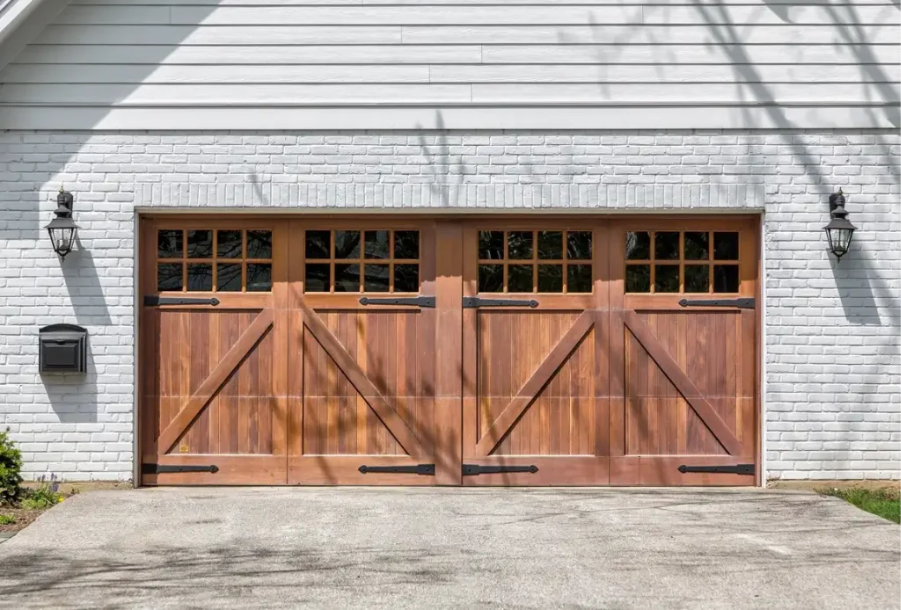
- Carriage-style doors for traditional or craftsman homes
- Wood-look composite doors for durability without maintenance
Why Professional Installation Matters
A professional installation ensures:
- Proper sealing
- Optimal insulation performance
- Long-term durability
- Safe and efficient operation
Conclusion: A Smarter, More Efficient Garage Starts with the Right Door
Energy-efficient and insulated garage doors are a smart investment for Bay Area homes. They help regulate temperature, reduce drafts, lower energy use, and increase comfort especially in attached or converted garages commonly found throughout the region. With fluctuating microclimates, insulation becomes essential rather than optional. By choosing the right materials, R-value, and weather sealing, homeowners can significantly improve the performance of their garage while also enjoying long-term energy savings.
To schedule a consultation with the All-Access Garage Doors team, feel free to reach out using our contact form.
Frequently Asked Questions (FAQs)
1. Are insulated garage doors worth it for Bay Area homes?
Yes, insulated garage doors are highly beneficial for Bay Area homes due to the region’s unique weather patterns. From foggy mornings to warm afternoons, temperature fluctuations can make garages uncomfortable and increase energy use. Insulation helps maintain steady temperatures, reduce drafts, and create better living conditions for attached or converted garages.
2. What R-value should I look for in an insulated garage door?
For attached garages or spaces connected to living areas, an R-value between R-12 and R-18 is ideal. This level helps prevent heat transfer and keeps indoor spaces comfortable. Detached garages benefit from R-6 to R-10, which provides adequate protection without over-insulating the structure.
3. Will an insulated garage door reduce my energy bills?
Yes. Insulated garage doors significantly reduce energy loss by stabilizing garage temperatures. When less heat or cold escapes into the home, your HVAC system runs more efficiently, lowering energy use. Many homeowners notice improved comfort in adjacent rooms as well as reduced heating and cooling demands.
4. Do insulated garage doors help with noise reduction?
Yes. Insulation improves sound dampening by adding density and thickness to the garage door panels. This is particularly helpful in areas with traffic, construction noise, or busy neighbourhoods. Insulated doors can make the garage and connecting rooms quieter and more comfortable.
5. How long do insulated garage doors last?
With proper maintenance, insulated garage doors can last 20 to 25 years or more. Their multi-layer construction provides strength, durability, and resistance to warping or damage. Maintaining weather stripping, lubricating hardware, and scheduling periodic inspections can further extend the lifespan of the door.