Garage door opener installation cost depends on the type of opener you choose, the horsepower needed for your door, built-in smart features, and whether your existing hardware is in good shape. A straightforward swap from an old unit to a new opener is on the lower end of pricing. Installing a higher-end smart opener with accessories, new brackets, and safety upgrades, as handled by All Access Garage Doors, lands toward the upper end.
Average Cost of Garage Door Opener Installation
Garage door opener installation typically falls in the mid-range of garage door expenses:
- More than a basic tune‑up or minor repair
- Less than a full new garage door installation
- Similar to or slightly more than a standard spring replacement, depending on the opener
Your total cost will be influenced most by:
- Opener type (chain, belt, screw, or wall‑mount)
- Horsepower rating (match to door size and weight)
- Smart features (Wi‑Fi, cameras, battery backup, etc.)
- Condition of existing door and hardware
- Whether this is a replacement or a first‑time install
In many cases, upgrading your opener is one of the highest value improvements you can make: it affects daily convenience, noise levels, and security more than almost any other single component.
Cost Breakdown (Parts + Labor)
Labor Cost
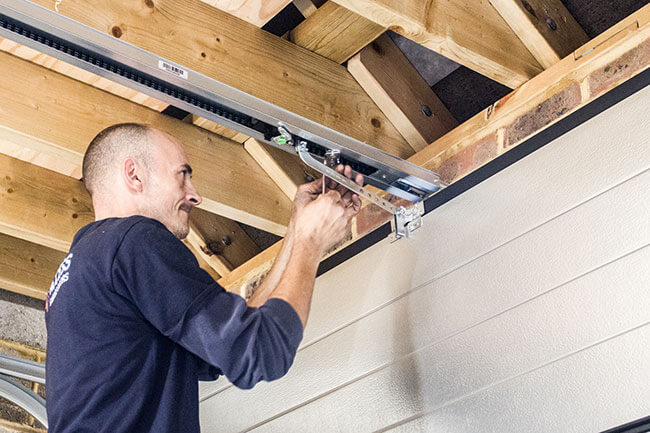
Opener installation is more than just “hanging a box.” Proper installation includes:
- Removing the old opener (if present) and disposing of it
- Mounting the new unit to the ceiling structure
- Installing the rail, trolley, and header bracket
- Connecting to the door and aligning with the existing hardware
- Wiring and pairing:
- Safety sensors
- Wall controls
- Remotes and keypads
- Programming limits and force settings
- Testing safety reverse and photo-eye alignment
Labor cost depends on:
- Whether there’s an existing opener to remove
- Condition and location of existing wiring
- Ceiling height and access
- Whether new outlets or minor carpentry are needed
- If this is standard daytime vs emergency/after‑hours work
A simple “old opener out, new opener in” job on a typical 7‑foot residential door is on the low side of labor. First‑time installs, tall doors, or structural adjustments push labor higher.
Parts Cost
The opener unit itself is the largest part of the cost. Key drivers:
- Drive type
- Chain‑drive: Often the most budget‑friendly; durable but louder
- Belt‑drive: Quieter operation, especially good for doors under living spaces
- Screw‑drive: Less common today but still used in some settings
- Wall‑mount (jackshaft): Premium option that mounts beside the door and frees up ceiling space
- Horsepower / lifting capacity
- 1/2 HP or equivalent for most standard single or double steel doors
- 3/4 HP or higher recommended for heavy wood or oversized doors
- Feature set
- Wi‑Fi connectivity and app control
- Integrated LED lighting
- Built‑in cameras or motion detection
- Battery backup for power outages
- Quiet‑drive technology and soft‑start/stop
- Included accessories
- Number of remotes
- Keyless entry keypad
- Multi‑function wall console
Better openers cost more upfront but usually offer longer warranties, quieter operation, and better reliability.
Additional Charges (If Applicable)
Your total opener installation cost may also include:
- New reinforced door bracket if the existing one is undersized or bent
- New strut or reinforcement for lightweight or older doors
- Sensor relocation or rewiring if current wiring is damaged or out of code
- Ceiling bracing or new angle iron for safe mounting
- Opener rail extension kits for taller‑than‑standard doors
- Battery backup or surge protection add‑ons
These items add to the invoice but are important for safety, code compliance, and long‑term reliability.
What Affects the Cost the Most
When you’re comparing quotes, these are the biggest levers:
- Type and brand of opener
Wall‑mount and premium belt‑drive smart openers cost more than basic chain‑drive models. - Smart/connected features
Wi‑Fi, camera integration, and battery backup all raise the equipment cost. - Door size and weight
Heavy, oversized, or wood doors need more powerful, sometimes more expensive openers. - First‑time install vs replacement
First‑time installs with no existing rail, wiring, or outlet access take longer. - Condition of the door
If your door isn’t balanced or moves poorly, extra work is needed before safely installing the opener. - Noise requirements
If the garage is under a bedroom or living area, you’ll likely want a quiet belt-drive or wall-mount unit for garage door installation. - Warranty level
Longer motor and parts warranties are typically found on mid‑ to high‑end models.
When Opener Replacement Is Worth It vs When You Need More Work
When Opener Replacement Alone Makes Sense
Installing a new opener is usually the right move when:
- The door itself is in good condition (no bent tracks, cracked panels, or broken springs)
- Your existing opener is loud, unreliable, or lacks safety/smart features
- You want quieter operation, better lighting, or app‑based control
- The system is 10–15+ years old and starting to fail intermittently
In these scenarios, a straightforward opener swap restores reliability and upgrades your daily experience without the cost of a full new door.
When You Should Address Door Issues First
Sometimes the best opener in the world won’t fix a bad door. You may need additional work if:
- The door is extremely heavy to lift by hand
- You have broken springs, frayed cables, or bent tracks
- Panels are warped, cracked, or separating
- The door binds or sticks at certain points in travel
How to Get an Accurate Garage Door Opener Installation Estimate
To get a clear, realistic quote, have this information ready:
- Photos of the current opener and ceiling area
Or the empty space if there’s no opener yet - Door size and material
Width × height, steel vs wood, insulated vs non‑insulated - Ceiling height and obstruction details
High ceilings, low beams, or storage can affect mounting - Existing electrical
Is there a working outlet near the opener location? - Your wish list
Smart features, battery backup, noise level preferences, lighting needs
A thorough estimate should:
- Specify the exact model and drive type being installed
- Clarify what’s included (remotes, keypad, wall control, sensors)
- Call out any needed door balancing or hardware repairs
- Outline warranty terms for both parts and labor
If you’re replacing a very old or unsafe opener, ask that the technician also verify spring balance, cable condition, and track alignment. That small bit of extra time protects your investment and your safety.
FAQs About Garage Door Opener Installation Cost
Is it cheaper to repair my old opener or install a new one?
Basic issues like misaligned sensors or minor wiring problems can be inexpensive to fix. But if your opener has a failed motor, fried circuit board, or is more than 10–15 years old, replacement is usually a better value—especially when you factor in new features and warranty coverage.
Do smart/Wi‑Fi openers cost more to install?
Smart openers cost more in equipment, but installation labor is usually similar to a standard unit. The main difference is setup time for Wi‑Fi, app pairing, and any smart home integrations, which is typically minor.
Will I need new springs or hardware when I install a new opener?
Not always—but if your door is out of balance or your springs are worn, a professional may recommend addressing that first. An opener should never be used to “muscle through” a heavy or binding door. Fixing springs or hardware adds to cost but protects the new opener from premature failure.
Can I save money by buying an opener at a big‑box store and hiring someone just to install it?
You might lower the equipment cost, but many installers charge more for “labor only” installs, and you may get shorter warranty support. When the opener and installation come from the same company, you usually get simpler service and better warranty coverage.
Does opener installation include programming my car’s built‑in buttons?
Many technicians will program built‑in car remotes (HomeLink, etc.) as part of the job if your vehicle is compatible. If additional modules or adapters are required, there may be a small extra charge.
Ready for a Quiet, Reliable Opener Installed the Right Way?
A properly installed garage door opener isn’t just about convenience—it’s about safety, security, and daily peace of mind. The right opener, matched to the right door and installed by a pro, should run quietly and consistently for years.
If you’re in San Diego County, Los Angeles, or the Bay Area, All Access Garage Doors can help you choose the right opener, confirm that your door is safe and balanced, and provide a clear, no‑nonsense installation quote before any work begins.
Book an appointment today to schedule your garage door opener installation and upgrade how your garage works every day.