
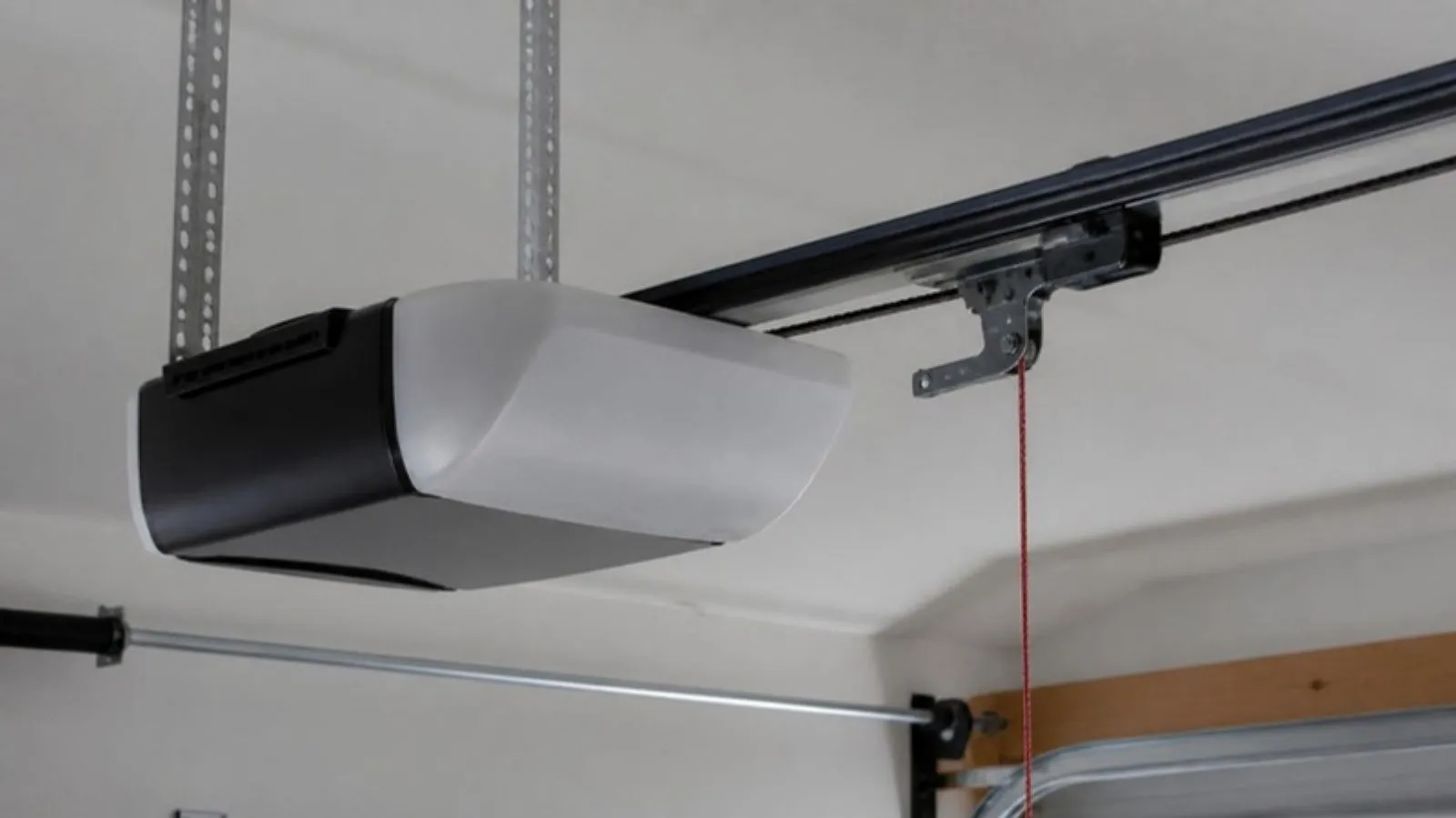
Start with repair when your garage door opener is fairly modern and has one identifiable fault, such as a sensor, worn gear, wiring or remote problem. Consider replacement when it is older, breaks down repeatedly, struggles to lift the door or lacks the safety and convenience features you need.
All Access Garage Doors repairs and replaces garage door openers across San Diego County. This guide explains how to weigh age, repair history, cost and compatibility before you decide.
Repair or replace at a glance:
| Repair first | Replace | |
|---|---|---|
| Opener condition | Fairly modern and structurally sound | Older, with several worn internal parts |
| Problem | One isolated fault: sensors, gears, wiring, remote, wall control | Repeated failures or struggles to lift the door |
| Parts | Replacement parts readily available | Parts hard to source |
| Features | Current unit meets your needs | You want quieter drive, battery backup, smart controls or better safety |
| Cost | Lower immediate cost | Higher upfront, often better long-term value |
Check the door first: a damaged spring, binding track, worn roller or unbalanced door can look like an opener problem. A new opener won’t fix any of those.
When Does a Garage Door Opener Need Repair?
Repair is usually the sensible choice when the opener is fairly modern, structurally sound and has an isolated problem. Common repairable issues:
- Faulty safety sensors
- Worn gears
- Loose wiring
- Damaged remotes or wall controls
- Misaligned components
If the motor still runs properly and parts are available, fixing the affected component can restore reliable performance. A technician should first confirm whether the opener is the cause, or whether another part of the garage door system is creating resistance.
Frequency matters too. One minor issue doesn’t justify replacement, but repeated breakdowns suggest the opener is near the end of its useful life.
Signs Your Opener May Be Ready for Replacement
Frequent breakdowns, excessive noise, unreliable operation, outdated safety features and expensive recurring repairs are the main signs to consider replacement.
How Age and Opener Lifespan Affect Your Decision
An older opener has more worn parts and fewer upgrade options. If repairs keep adding up or parts are hard to find, a newer system usually gives better reliability, quieter operation and modern features.
Comparing Repair Costs With Replacement Value
The cheapest immediate option isn’t always the best long-term choice. A minor repair, such as fixing a sensor or replacing a worn gear, makes sense when the unit is otherwise dependable.
When an older opener needs several repairs in a short period, each visit adds to the total cost while the equipment keeps aging. Weigh the repair estimate against the unit’s condition and remaining life, not the price of one repair alone.
When comparing replacement quotes, ask whether the price includes:
- Removal of the old unit
- Installation and adjustment
- Testing
- Any accessories needed
When Garage Door Opener Repair Makes More Sense
Repair makes more sense when the opener has a limited, identifiable fault and the rest of the system is in good condition. It is especially reasonable when the opener runs smoothly after adjustment and hasn’t failed repeatedly.
Replacing a remote, realigning sensors, repairing wiring or fixing one mechanical part is often simple compared with a new opener. A technician should confirm the cause first, because excess resistance, damaged hardware or an unbalanced door can look like an opener fault.
For garage door opener repair in San Diego, choose a provider that checks the whole system before recommending replacement. A clear diagnosis should explain what failed, whether the repair will last and whether other parts are worn.
When Opener Replacement Becomes the Better Choice
Replacement becomes the better choice when the opener is older, repeatedly unreliable or no longer meets your household’s needs. Multiple failures mean several internal parts are wearing out.
Modern openers can add:
- Quieter performance
- Improved controls and enhanced safety functions
- Battery backup
- Smartphone connectivity
- Compatibility with newer controls and accessories
Before you buy, make sure the new opener matches the door’s weight, construction, travel, ceiling space, rail configuration and existing hardware. Start with an evaluation of the whole system, not a model picked on price.
What to Consider Before Installing a New Opener
A replacement opener has to suit the door’s size, weight, balance, travel distance, hardware and the available ceiling space, not just have the right horsepower. If the door is hard to lift by hand, a stronger opener won’t fix the real problem.
Think about how you use the garage. A basic opener may be fine for occasional use, while a household that enters through the garage several times a day may want quieter operation and connectivity.
Installation quality matters as much. After installation, the door should:
- Move smoothly
- Reverse correctly when the safety system is triggered
- Stay secure when closed
Features Worth Considering When Replacing an Opener
Choose features based on how your household uses the garage:
- Quiet-drive technology
- Smartphone connectivity
- Battery backup
- Rolling-code security
- Lighting
- Reliable safety sensors
Why Professional Installation Matters
Correct installation affects performance, safety and the opener’s service life. A professional verifies compatibility, mounts the parts securely, sets the travel limits, tests the safety sensors and spots door problems that would strain the new motor.
How to Choose the Right Garage Door Opener for Your Home
The right opener depends on the door, not just your preferred brand or feature list. Start with the door’s size, weight, construction, balance and how often it’s used. A properly balanced door should move smoothly by hand before an opener is fitted.
| Drive type | Best for |
|---|---|
| Chain drive | Dependable everyday performance |
| Belt drive | Homes where low noise matters |
| Screw drive | Certain applications, depending on compatibility and installation conditions |
Smart connectivity helps if you want to check the garage remotely, and battery backup matters when the garage is a main entry. When comparing garage door services for San Diego homeowners, ask whether the provider will inspect the door, confirm compatibility, explain options, test the installation and explain the warranty.
How Professional Assessment Can Prevent the Wrong Choice
An opener doesn’t work on its own: springs, rollers, tracks, cables and hinges all affect how hard the motor works. If one of them is damaged or badly adjusted, a new opener alone may not solve the problem.
A professional assessment should cover the door’s condition, whether repair or replacement fits, which opener type is compatible, mounting space, electrical access and door travel.
A dependable company explains why it recommends a solution and what the estimate includes. If you’re unsure, speak with a garage door professional.
Repair or Replacement: Which Option Offers Better Value?
Repair offers better value for a fairly new opener with one identifiable problem. Replacement offers better value for an older opener with repeated breakdowns, missing features or rising repair costs.
Replacement won’t fix problems caused by the door itself. If springs, tracks or rollers are creating resistance, include them in the decision.
For San Diego homeowners, compare the total value of each option: immediate cost, reliability, future maintenance, features, compatibility and installation quality.
Final Decision: Repair First or Replace?
Repair first if the problem is isolated and the opener is still dependable. Replace if failures are frequent or the unit is near the end of its useful life.
A professional evaluation also confirms whether the opener is really the problem. Fixing the underlying cause avoids wasted spending and helps whichever option you choose perform well. For more on diagnosing faults, see common garage door opener problems and solutions.
Frequently Asked Questions
How long does a garage door opener usually last?
Many years, depending on usage, maintenance, installation quality and the condition of the garage door.
Is it cheaper to repair or replace a garage door opener?
Repair is usually cheaper for minor issues. Replacement may offer better value when the opener is old, unreliable or needs frequent repairs.
Can I replace my garage door opener myself?
Some homeowners can, but professional installation ensures proper mounting, wiring, adjustment and safety testing.
Should I replace the garage door and opener together?
Not always. If the door is in good condition, replacing only the opener may be enough. Evaluate both if the door shows significant wear.
What should I check before buying a replacement opener?
The door’s size, weight, balance and usage, the available space, and the features you want, such as battery backup, smart controls and quiet operation.
Need garage door help? All Access Garage Doors offers same-day service across San Diego County. Call (833) 537-1818 for a free quote.

