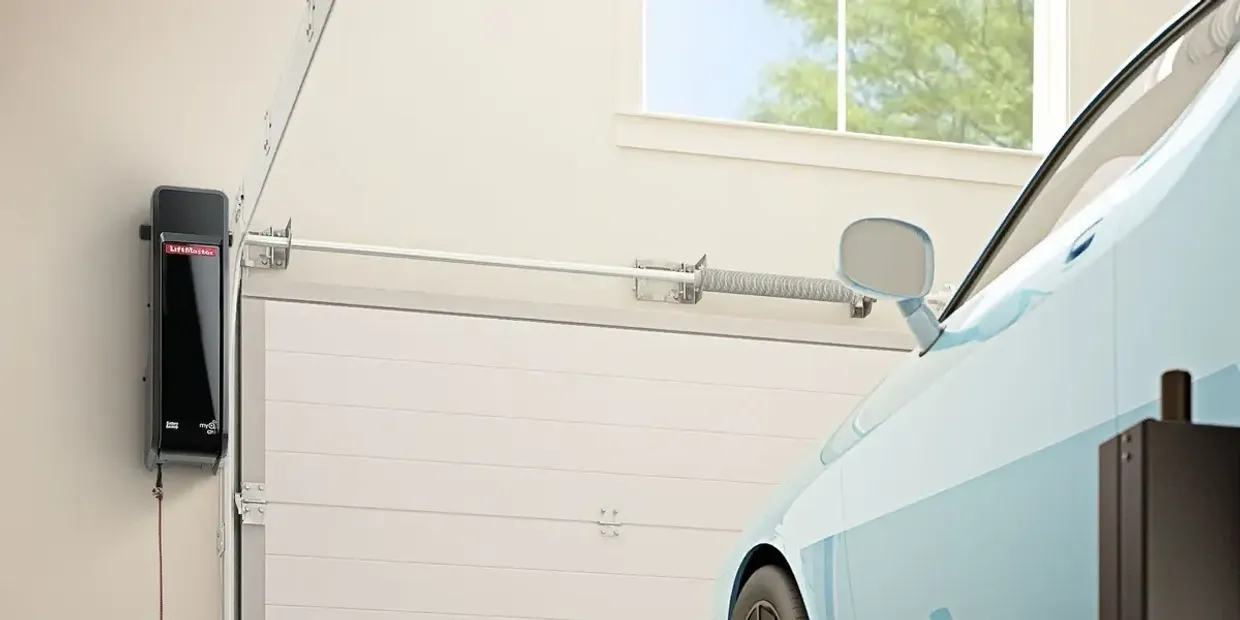
The most common garage door opener problems are an opener that hums or doesn’t respond, a door that reverses before closing, grinding noises, flashing lights and slow or delayed response. Common causes are dead remote batteries, dirty or misaligned safety sensors, power interruptions, loose wiring and worn gears, belts or chains.
All Access Garage Doors repairs garage door openers across San Diego County. This guide covers what you can safely check yourself and when to call a technician.
Opener problems at a glance:
| Problem | Likely cause | What to do |
|---|---|---|
| No response | Power interruption, dead remote batteries, loose wiring | Check the outlet and breaker; replace the batteries |
| Motor hums, door doesn’t move | Damaged drive gear, trolley or emergency release | Stop and book an inspection |
| Door reverses before closing | Blocked, dirty or misaligned sensors; force settings | Clean and realign the sensors; clear the path |
| Remote doesn’t work | Dead batteries, interference, lost programming | Replace the batteries; reprogram the remote |
| Grinding or loud noises | Worn gears, belts or chains; poor lubrication | Book professional service |
| Struggles to lift the door | Worn motor or an out-of-balance door | Have the door balance checked |
Signs Your Garage Door Opener Needs Immediate Attention
Garage door openers rarely fail without warning: slower movement, new sounds or inconsistent operation usually come first. Delaying repairs lets small mechanical or electrical faults become bigger problems.
A common complaint is an opener that doesn’t work after you press the wall button or remote. The motor may hum without moving the door, or nothing happens at all. Possible causes:
- Power interruptions
- Damaged gears or a worn drive system
- Loose wiring
- Misaligned safety sensors
Grinding, flashing opener lights, a door that reverses or a delayed response usually mean the opener needs servicing before more damage occurs.
Why Troubleshooting Early Saves Time
Early troubleshooting stops small opener problems from turning into expensive repairs and restores safe operation before major parts are damaged.
Safety Always Comes First
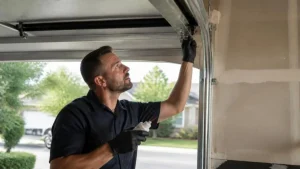
Disconnect the power before inspecting the opener, and never handle the high-tension springs or cables. Basic visual checks are safe, but complex mechanical or electrical repairs belong to trained professionals.
Common Causes of Garage Door Opener Failure
Most opener failures come from worn internal parts, electrical faults or environmental conditions.
- Worn parts: drive gears, belts, chains and motor assemblies wear down after years of daily use. The opener may struggle to lift the door, get loud or stop working.
- Electrical faults: damaged circuit boards, loose wiring and power interruptions.
- Environment: dust, moisture, extreme temperatures and poor lubrication reduce efficiency.
- An unbalanced door: it forces the motor to work harder and wear out early.
Routine maintenance and following recommended service intervals are the easiest ways to avoid breakdowns.
How Remote and Sensor Problems Affect Performance
Many “failed” openers are really a remote or sensor problem. Dead batteries, signal interference, damaged transmitters or programming errors stop the remote reaching the opener. Dirty or misaligned photo-eye sensors make the door reverse or refuse to close.
Try these first:
- Clean the sensor lenses
- Check for obstructions
- Replace the remote batteries
- Check that the sensors are aligned
If that doesn’t work, a technician can test every component and find hidden electrical faults.
When to Call a Professional Garage Door Opener Technician
Call a professional if the opener keeps stopping, grinds, works inconsistently or shows signs of electrical failure. DIY repairs on complex faults can cause more damage or safety risks.
A technician inspects the whole system, including the motor, drive mechanism, safety sensors, wiring and door balance. That makes sure the visible symptom isn’t hiding a bigger problem, and that new parts are fitted to manufacturer specifications.
Whether you need a minor adjustment or a major part replaced, our San Diego garage door experts can restore safe, reliable operation.
Preventive Maintenance Tips to Avoid Future Opener Problems
Regular preventive maintenance is the best way to reduce unexpected opener failures. A few minutes every few months catches problems early.
Start by checking the opener, drive, mounting brackets and hardware for wear or looseness. Tighten accessible bolts, dust the motor housing, clean the sensors and lubricate moving parts with the manufacturer’s recommended product, without overdoing it.
Build these habits into your routine:
- Inspect the safety sensors and keep the lenses clean.
- Replace remote batteries when performance becomes inconsistent.
- Listen for unusual grinding, squeaking or vibrating noises.
- Check that the garage door stays properly balanced.
- Test the automatic reverse safety feature regularly.
- Keep the opener rail and moving parts free of debris.
- Schedule professional inspections to catch hidden issues.
Choosing the Right Garage Door Opener Service Provider
Choose a provider with experienced technicians, transparent pricing, good reviews and a habit of explaining the problem clearly. A good company checks the whole door system, uses parts that meet manufacturer standards and tests everything before it leaves.
Avoid companies that upsell without explaining why. All Access Garage Doors offers complete garage door services, from troubleshooting and repairs to maintenance and replacement.
If your opener keeps having problems, don’t wait for a complete breakdown. Book your garage door service appointment today.
Conclusion
Spotting early warning signs, such as new noises, slow response, sensor faults or inconsistent operation, lets you fix minor issues before they become costly. Routine inspections and maintenance also extend the opener’s life.
When troubleshooting no longer works, professional service is the safest fix. If you’re weighing an upgrade, our opener repair or replacement guide explains how to decide.
Frequently Asked Questions
Why is my garage door opener running but the door is not moving?
This usually means a problem with the drive gear, trolley or emergency release. An inspection will find the exact cause and the right repair.
How often should a garage door opener be serviced?
Most manufacturers recommend a professional inspection and maintenance at least once a year. Regular servicing catches worn parts before they fail.
Why does my garage door reverse before closing completely?
Usually the safety sensors are blocked, dirty or misaligned. It can also mean the opener’s force settings are wrong or something is in the door’s path.
Can I repair my garage door opener myself?
Simple tasks such as replacing remote batteries, cleaning the sensors and checking for obstructions are safe. Electrical repairs, motor issues and anything involving springs or cables should be left to trained technicians.
When should I replace my garage door opener instead of repairing it?
If the opener is over 10 to 15 years old, breaks down often, lacks modern safety features or needs costly repairs, replacement may give better long-term value and reliability.
Need garage door help? All Access Garage Doors offers same-day service across San Diego County. Call (833) 537-1818 for a free quote.