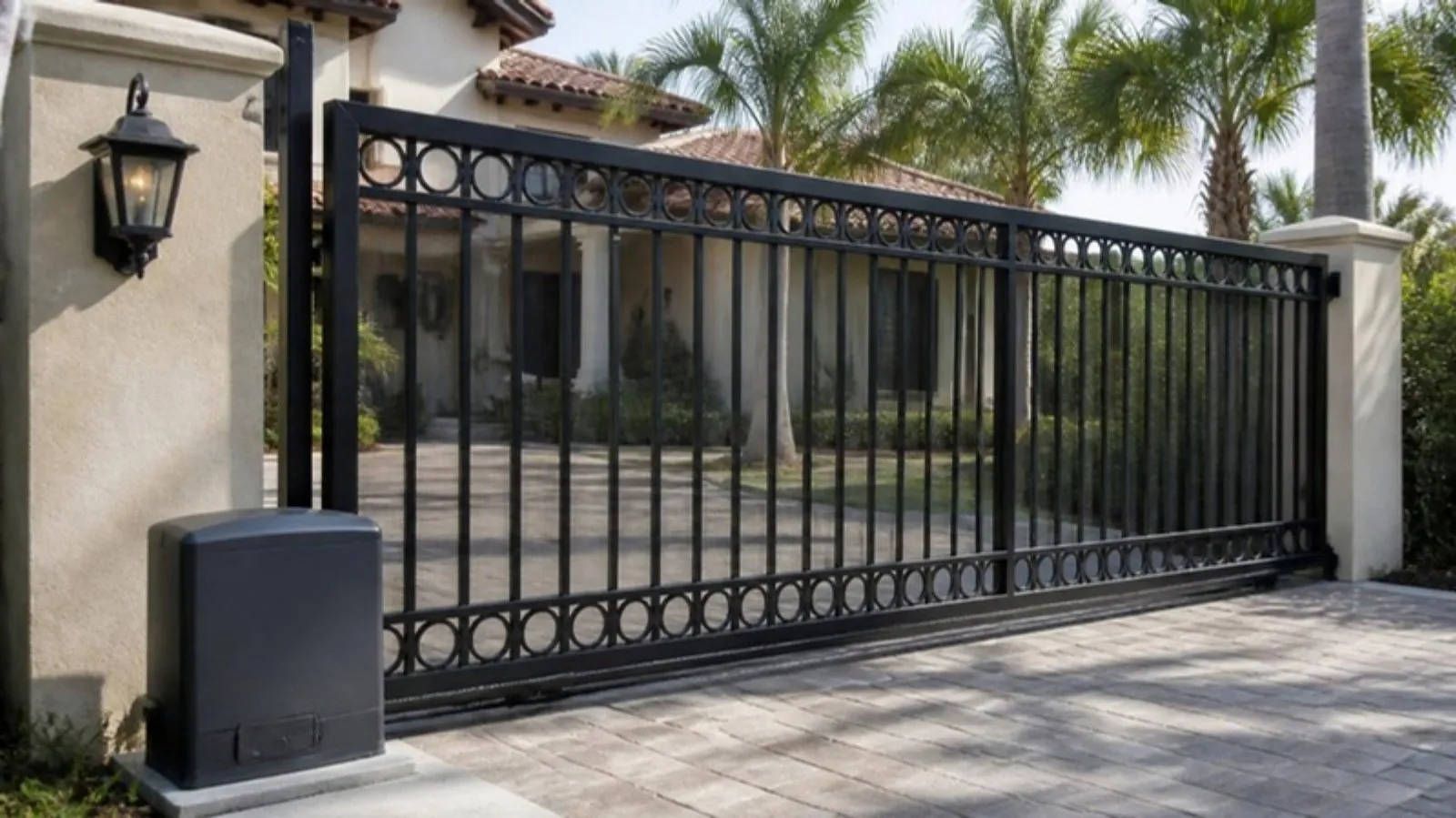
An automatic gate provides security, convenience, and controlled access to a residential or commercial property. When the system begins behaving differently, even a small problem can indicate an issue with the motor, sensors, tracks, hinges, or electrical components. Ignoring these warning signs may allow minor wear to develop into a larger repair that affects both safety and daily access. For property owners, recognizing unusual gate behavior early is one of the simplest ways to reduce disruption and protect the system.
At All Access Garage Doors, homeowners and businesses can get professional guidance when their gate no longer operates as expected. Whether a gate moves slowly, makes unusual sounds, stops before fully opening, or responds inconsistently to controls, the cause should be evaluated rather than guessed. Early attention can help identify worn components and determine whether a repair is practical. A professional inspection also helps ensure that safety features continue working correctly, especially when an automatic gate is used frequently or serves as the primary entrance to a property.
The Gate Opens or Closes More Slowly Than Usual
A noticeable change in operating speed is one of the easiest warning signs to recognize. Automatic gates are designed to move at a consistent pace, so a gate that suddenly takes longer to open or close may have an underlying mechanical or electrical problem. Dirt or debris around moving components can create resistance, while worn rollers, hinges, tracks, or other hardware may make movement increasingly difficult.
The motor can also become strained when components are no longer operating smoothly. If the gate hesitates before moving, slows down during operation, or requires several attempts to complete its cycle, continuing to use it without an inspection can place additional stress on the system. A professional can examine the moving parts, motor, power supply, and control system to determine where the problem originates.
Unusual Sounds Coming From the Gate
Grinding, clicking, squealing, rattling, or humming sounds should not be treated as normal. New noises can indicate worn hardware, loose components, motor strain, or an obstruction affecting movement. Identifying the source early can help prevent a small mechanical issue from becoming a more expensive repair.
The Gate Stops or Reverses Unexpectedly
An automatic gate that stops midway, reverses direction without warning, or repeatedly fails to complete its cycle may have a problem with its sensors, controls, motor, or mechanical components. These behaviors can interfere with reliable access and may create a safety concern if the gate does not respond correctly to people or vehicles nearby.
Before continuing regular use, check whether something is visibly blocking the gate’s path. If no obvious obstruction is present and the problem continues, professional assessment is recommended. Repeatedly forcing the gate through incomplete cycles can increase stress on the opener and other components.
The Remote or Access Controls Become Unreliable
Access controls are an important part of an automatic gate system. If a remote works inconsistently, a keypad stops responding, or the gate only opens after repeated commands, the problem may involve the control device, receiver, wiring, or opener. In some situations, the issue may be simple, such as a weak remote battery, but recurring failures deserve closer attention.
Property owners should also pay attention to whether different access methods behave differently. If a remote works but a keypad does not, or an interior control works while an exterior control fails, the symptoms can provide useful information about the source of the problem. A professional inspection can help isolate the faulty component instead of replacing parts unnecessarily.
Signs That Your Gate Motor May Need Attention
The motor is one of the most important components in an automatic gate system because it provides the power required for opening and closing. A motor that becomes unusually noisy, overheats, struggles with the gate’s weight, or stops during operation may be showing signs of wear. Other symptoms can include delayed movement, inconsistent performance, or the gate failing to operate after repeated cycles.
Problems involving the motor should not automatically be treated as a reason to replace the entire system. Depending on the age and condition of the equipment, a professional may identify a worn component, electrical issue, alignment problem, or another repairable cause. Proper diagnosis is especially important because replacing a motor without addressing an underlying mechanical problem may not resolve the issue.
If you notice repeated motor-related symptoms, avoid repeatedly forcing the gate to operate. Excessive cycling can increase stress on the opener and may turn a manageable problem into a larger failure. Connect with a gate repair specialist who can inspect the motor and related components, assess the system’s condition, and recommend an appropriate repair based on the actual cause.
Safety Features That Should Always Work Properly
Automatic gate systems rely on safety features to help prevent accidents involving people, vehicles, and property. Sensors, photo eyes, emergency release mechanisms, and other safety components should respond correctly whenever the gate operates. If a gate fails to detect an obstruction, closes unexpectedly, or does not reverse when required, the problem deserves immediate attention.
Never assume that a gate is safe simply because it still opens and closes. A system can appear operational while a safety component is malfunctioning. This is particularly important for busy commercial entrances, shared residential driveways, and properties where children, pedestrians, or vehicles regularly pass through the gate area.
Property owners should also watch for physical damage around sensors, exposed wiring, loose hardware, and components that have shifted from their normal position. Keeping the operating area clear can help, but electrical or mechanical faults require professional evaluation. Reliable safety functions are essential to dependable automatic gate operation, so unusual behavior should be investigated instead of ignored.
Physical Damage, Sagging, or Misalignment
Visible changes to the gate can provide another important warning. A gate that appears uneven, sags on one side, scrapes against the ground, or no longer lines up correctly with its closing point may have damaged or worn hardware. Hinges, rollers, tracks, posts, and other structural components can affect how smoothly an automatic gate operates.
Misalignment can also place unnecessary pressure on the motor because the opener must work harder to move a gate that is dragging or resisting. Over time, this additional strain may affect other components and reduce overall system reliability. A gate that has been hit by a vehicle or exposed to strong weather conditions may also develop structural problems that are not immediately obvious.
Do not try to force a visibly damaged gate back into position without knowing what caused the movement. Improper adjustments can create additional problems or affect the gate’s safety features. A professional can inspect the structure and operating mechanism together, identify the source of the misalignment, and determine whether adjustment, component repair, or a larger repair is appropriate.
When to Connect With a Gate Repair Specialist
Knowing when to seek professional help can prevent repeated breakdowns and unnecessary inconvenience. If your gate is making unusual noises, moving unpredictably, stopping during operation, or showing visible damage, it is better to have the system assessed before the problem becomes more serious. A technician can evaluate the gate as a complete system instead of focusing on only the most obvious symptom.
Homeowners and businesses searching for San Diego gate repair services should look for a provider that understands both mechanical and automatic gate components. The right professional can inspect the motor, controls, safety devices, tracks, hinges, wiring, and overall alignment before recommending a solution. This approach helps ensure that the repair addresses the actual cause rather than temporarily masking the problem.
Professional attention is especially valuable when a gate is used many times each day or protects a busy property. Regular inspections and timely repairs can support dependable operation and help extend the useful life of the equipment. If you are unsure whether a problem requires immediate attention, describing the symptoms to a qualified technician can be a practical first step.
Choosing the Right Repair Approach for Your Property
Not every gate problem requires the same solution. Some issues may involve a single worn component, while others can result from several connected problems. The age of the gate, frequency of use, condition of the hardware, motor capacity, and extent of damage can all influence the recommended repair. A professional evaluation can help property owners understand their options before committing to a larger service.
For homeowners, the goal may be restoring smooth and quiet operation while maintaining driveway security and convenience. Businesses may have additional concerns because a malfunctioning entrance can affect employees, customers, deliveries, and vehicle access. In both situations, the repair should address reliability as well as immediate operation.
Properties with different types of access requirements may also need different equipment and maintenance strategies. Working with a knowledgeable provider helps ensure that the repair approach considers the property’s specific gate design, usage, and operating environment.
Keep Your Automatic Gate Operating Reliably
An automatic gate can provide years of dependable service when mechanical components, electrical systems, controls, and safety features are kept in good condition. Warning signs such as slow movement, unusual sounds, inconsistent controls, unexpected stopping, motor strain, and visible misalignment should not be overlooked. Addressing these symptoms early can reduce disruption and help prevent avoidable damage.
Routine attention is also useful even when the gate appears to be working normally. Keeping the operating area clear, watching for changes in movement, and arranging professional inspections when problems appear can help maintain dependable performance. Property owners should avoid making unfamiliar electrical or mechanical adjustments because incorrect repairs can affect both operation and safety.
Whether you manage a commercial entrance or maintain a residential driveway, choosing appropriate gate solutions for San Diego properties can make everyday access more reliable. When your gate begins showing warning signs, a professional evaluation can identify the cause and help determine the most suitable repair. Timely service is often the best way to restore safe, consistent operation and avoid a more disruptive failure later.
FAQs
What are the most common signs of automatic gate problems?
Slow movement, unusual noises, unexpected stopping, inconsistent remote controls, and visible misalignment are common warning signs that deserve attention.
Can I repair an automatic gate myself?
Simple maintenance may be possible, but electrical, motor, structural, and safety-related problems should be evaluated by a qualified professional to avoid further damage.
Why does an automatic gate move slowly?
Slow movement can result from worn hardware, poor alignment, motor strain, debris, or an electrical issue. A professional inspection can identify the actual cause.
How often should an automatic gate be inspected?
Inspection frequency depends on usage, gate type, environment, and age. High-use systems generally benefit from more frequent professional checks.
When should I contact a professional?
Contact a professional when the gate becomes unreliable, makes unusual sounds, stops unexpectedly, shows physical damage, or develops a safety-related problem.
Need garage door help? All Access Garage Doors offers same-day service across San Diego County. Call (833) 537-1818 for a free quote.